

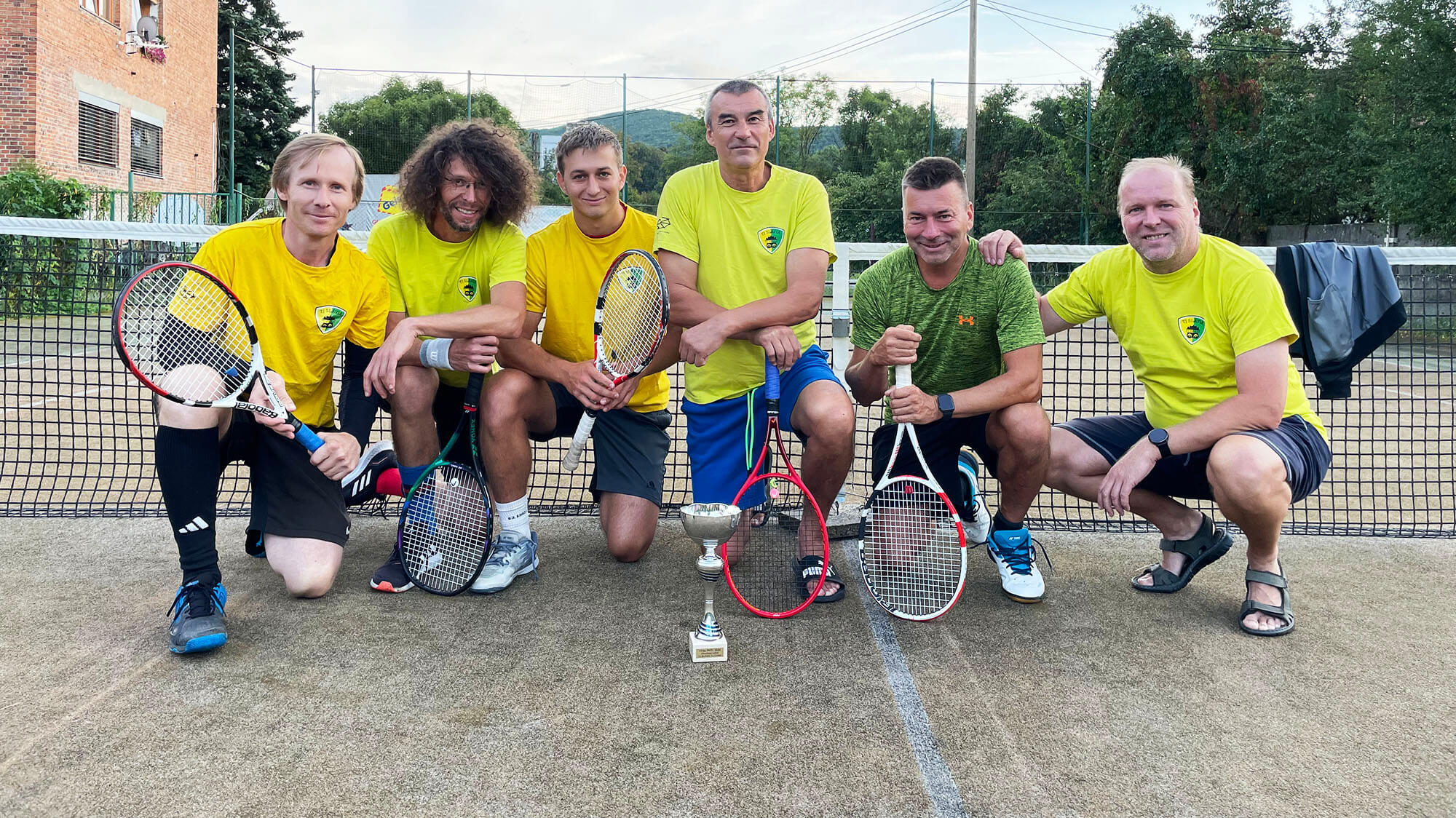


Vyhodnotenie roka 2026
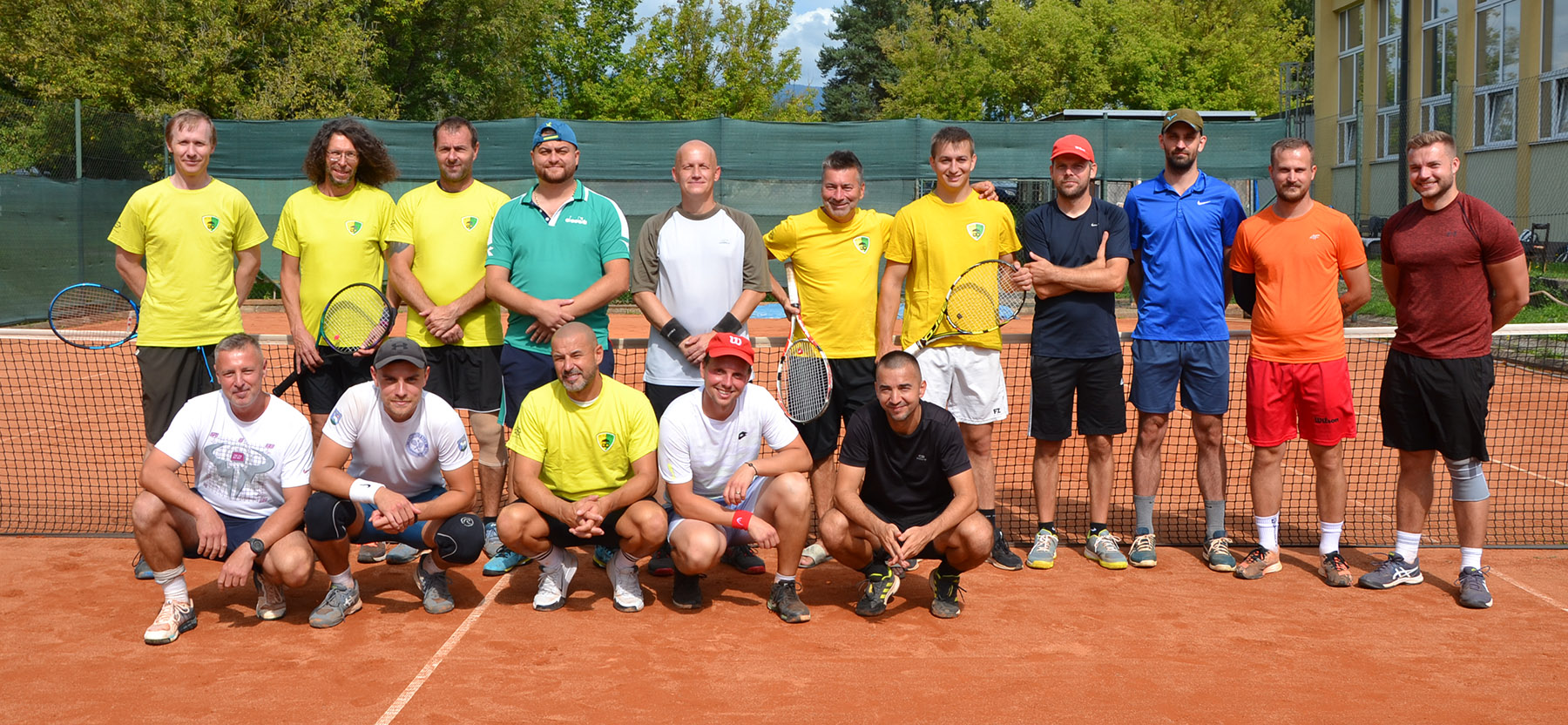
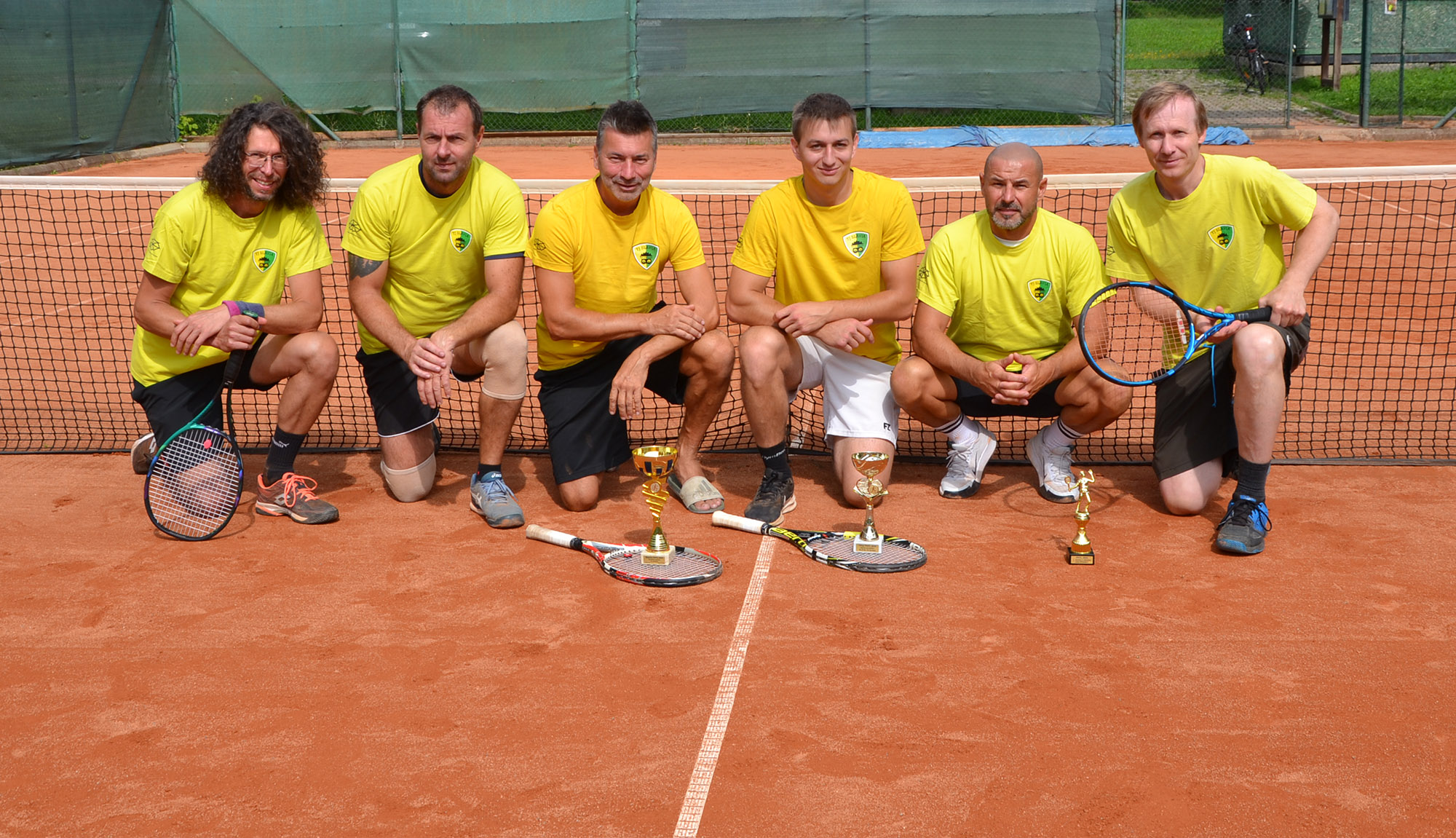
V tomto roku zase brali väčšinu cien páni s TU Zvolen
- Víťazi súťaži družstiev 2026: TU Zvolen
- Turnaj jednotlivcov 2026 víťazi: do 40 rokov: Andrej Slováčik, nad 40 rokov: Ján Iždinský
- Víťaz turnaja štvorhier 2026: Peter Antoška / Andrej Antoška
- Celkový víťaz rebríčka jednotlivcov: Ján Iždinský
Blahoželáme.
TUrnaj ŠTVORHRY PHTL 2026 – 12.septembra 2026
Turnaj v štvorhrách PHTL 2026 sa uskutoční v Detve – 12.septembra 2026 – Sobota.
Prihlásenie cez predsedov družstiev do 4.9.2026.
Viac na linku »
Zmena rozpisu súťaže družstieV a turnaja jednotlivcov 2026
Vyhodnotenie roka 2025:
- Súťaž družstiev: 1.miesto – Slávia TU Zvolen.
Komplet tabuľka družstiev nájdete tu », komplet výsledky všetkých kôl nájdete tu » - Turnaj jednotlivcov: 1. miesto nad 45 rokov: Marek Strnadík, 1. miesto do 45 rokov: Ján Valovčan
Komplet zápasy turnaja jednotlivcov nájdete tu » - Turnaj štvorhier: 1.miesto – Peter Antočka / Andrej Antoška
Komplet zápasy turnaja štvorhier nájdete tu »
- Rebríček jednotlivcov 2025: 1.miesto – Ján Valovčan
Komplet rebríček jednotlivcov nájdete tu »
Víťazom gratulujeme. Účastníkom ďakujeme. vidíme sa v 2026.
Vylosovanie pre rok 2025 a súpisky:
4.5. 2025 nám začína súťaž.
Vyhodnotenie roka 2024:
Tento rok pobralo takmer všetko družstvo Slávia TU Zvolen.
- Súťaž družstiev: 1.meisto – Slávia TU Zvolen
- Turnaj jednotlivcov: sa kvôli malej účasti nekonal.
- Turnaj štvorhier: 1.miesto – Valovčan Ján / Valovčan Jozef
- Rebríček jednotlivcov 2024: 1.miesto – Ján Iždinský
Víťazom gratulujeme. Účastníkom ďakujeme.
Turnaj štvorhier 2024:
Dňa 7.9.2024 sa konal turnaj štvorhier. Účať 6 párov. Víťazom sa stal pár Valovčan Ján / Valovčan Jozef.
Ak by ste mali niekto fotky, tak pošlite.
SÚŤAŽ DRUŽSTIEV 2024:
Aj keď ešte nie je ukončené posledné kolo súťaže družstiev, tak už je jasné, že po úspešnej akvizícií v jasnom prestupovom období sa víťazom súťaže družstiev v roku 2024 po prvý krát stalo družstvo Slávia TU Zvolen. Gratulujeme. Na druhom mieste skončilo družstvo KTK Krupina B a o tretie mesto sa ešte bojuje.
ROZLOSOVANIE PHTL 2024:
Nájdete tu – http://tenis.cero.sk/rozlosovanie/
Schôdza PHTL 2024:
Dňa 18.4.2024 bude o 16.00 schôdza PHTL v Detve – https://motorestdetvan.sk/
Výťaz jednotlivcov 2023:
Celkovým víťazom ročníka 2023 sa stal Tomáš Paulíny z družstva Krupina B
Turnaj Štvorhier 2023:
3.9.2023 sa uskutočnil Turnaj štvorhier PHTL v Detve
Turnaj jednotlivcov 2023:
1.7.2023 sa uskutočnil Turnaj dvohrier PHTL v Lieskovci
Finále:
11.6.2023 sa uskutočnilo finále PHTL družstiev. Víťazom sa stalo družstvo
- TK Hriňová
Blahoželáme ja družstvu KTK Krupiná k druhému miestu.
Informácia o kontumácií:
Z dôvodu nastúpenia hráča Valovčana Jána (TK Vígľaš – Zvolenská Slatina A) v registrovanej tenisovej lige sa konzumujú všetky jeho vyhraté zápasy v prospech súperov. Jedná sa o zápasy z 1 a 2.kola základnej skupiny kedy nastúpil a vyhral. Upravovať výsledky družstiev už v tejto fáze súťaže nemá zmysel nakoľko sme už v semifinále, kde TK Vígľaš – Zvolenská Slatina A už nefiguruje.
Semifinále:
Zápasy semifinále pre 4.6.2023 nasledovne (domáce družstvo je to, ktoré získalo viac bodov v štvrtfinále ») :
- TK Detva A – KTK Krupina B
- TK Hriňová – Slávia TU Zvolen
Štvrtfinále:
Podľa dohodnutého rozpisu pre štvrťfinále (A1 – B4, A2 – B3, B1- A4 , B2- A3) budú zápasy pre 28.5.2023 nasledovne:
- TK Detva A – TK Detva B
- Viktoriáni Zvolen – Slávia TU Zvolen
- TK Hriňová – TO Budča
- KTK Krupina B – TK Vígľaš – Zvolenská Slatina A
Rozpis zápasov 2023
Zápasy sa hrajú v nedeľu o 9,00hod
Skupina A
- kolo 7.5. Detva A – Budča Vígľaš ZS –Viktória ZV
- kolo 14.5. Budča – Vígľaš ZS Detva A – Viktória ZV
- kolo 21.5. Viktória ZV – Budča Vígľaš ZS – Detva A
Skupina B
- kolo 7.5. Hriňová – Krupina TU ZV – Detva B
- kolo 14.5. Krupina – Detva B Hriňová — TU ZV
- kolo 21.5. TU ZV – Krupina Detva B – Hriňová
Štvrťfinále
A1 – B4, A2 – B3, B1- A4 , B2- A3
Vyhodnotenie roka 2022
V roku 2022 sa najlepšími stali:
-
- Najlepšie družstvo: TK VÍGAS – ZVOLENSKÁ SLATINA
- Najlepší jednotlivec celkovo: Marek Strnadík
- Víťazi turnaja jednotlivcov: do 45 rokov: Peter Babic, nad 45 rokov: Milan Beskidiar
- Víťazi turnaja štvorhrier: Radovan Francistý a Ján Dobias
Víťazom gratulujeme, ostatní trénovať!
Turnaj štvorhry 2022
4.9.2022 sa v lieskovci uskutočnil nás turnaj PHTL vo štvorhre.
Výsledky tu »
Turnaj jednotlivcov 2022
26.6.2022 sa konal v Lieskovci konať turnaj jednotlivcov PHTL.
Výťaz ročníka 2022 – TK Vígľaš – Zvolenská Slatina A
Po urputnom a neľútostnom boji vyhralo lepšie (aj keď menej sympatické 🙂 ) družstvo TK Vígľaš – Zvolenská Slatina A. Víťazom gratulujeme, porazení musia trochu ešte potrénovať.
Semifinále družstiev:
Postupujúci do finále sú TK Vígľaš – Zvolenská Slatina A a TK Hriňová
Výsledky semifinále a tiež dobrovoľných zápasov o konečné umiestnenie sú tu »
4 postupojúce tímy sú
| 1 | TK Vígľaš – Zvolenská Slatina A |
| 2 | TK Vígľaš – Zvolenská Slatina B |
| 3 | TK Detva A |
| 4 | TK Hriňová |
Turnaj jednotlivcov 2021
Po predbežnej komunikácii sme sa rozhodli, že sa pokúsim uskutočniť turnaj v dvojhre v Lieskovci…
Výška štartovného odzrkadľuje odhadované náklady na uskutočnenie turnaja(kurty, lopty, občerstvenie a poháre).
Pre moje úspešné zvládnutie akcie potrebujem do stredy t.j. 2.6.2021 do 18.00 hod vedieť záväzný záujem (mailom alebo SMS) aj s menami, aby som zariadil všetko potrebné…ak bude dostatočný záujem.
Propozície – Tenis-PHTLdvojhry-2021
Vyhodnotenie roka 2019
Víťazom súťaže družstiev sa stalo po finálnom super kole družstvo KTK Krupina A
Víťazom súťaže jednotlivcov sa stal Jozef Kováč
Výhercom gratulujeme.
6.kolo 29-30.6.2019
| Domáci | Hostia | Miesto, čas |
| VTC Vígľaš | KTK Krupina A | Miesto: Vígľaš , Ne 14.00 |
| TK Zvolenská Slatina | TK Hriňová | Miesto: Zv. Slatina, Ne 9.00 |
| TK Remonta Očová | Globus Zvolen | Miesto: Hotel Tenis ZV, Ne 14.00 |
| TK Detva | Sporty´s Detva | Miesto: TK Detva , Ne 9.00 |
| Slávia TU Zvolen | Viktoriáni Zvolen | Miesto: Slávia TU Zvolen, Ne 9.00 |
| KTK Krupina B | TO Budča | Miesto: Krupina, Ne 9.00 |
Majstrovstvá PHTL vo štvorhre pre rok 2019
Dňa 15.6.2019 sa uskutočnili majstrovstvá PHTL vo štvorhrách. Celkovo bolo 9 dvojíc a top 3:
1. Francistý R / Murin
2. Haluz / Ramšík
3. Gonda / Kováč
4-kolo – 8-9.6.2019
| Domáci | Hostia | Miesto, čas |
| KTK Krupina A | TK Remonta Očová | Miesto: Krupina, So 9.00 |
| TK Detva | Globus Zvolen | Miesto: TK Detva , Ne 9.00 |
| VTC Vígľaš | TK Hriňová | Miesto: Vígľaš , Ne 14.00 |
| TK Zvolenská Slatina | TO Budča | Miesto: Zv. Slatina, Ne 9.00 |
| Slávia TU Zvolen | KTK Krupina B | Miesto: Slávia TU Zvolen, Ne 9.00 |
| Viktoriáni Zvolen | Sporty´s Detva | Miesto: Effort+ŽOS ZV, So 8.30 |
3.kolo – 1-2.6.2019
| Domáci | Hostia | Miesto, čas |
| TK Remonta Očová | VTC Vígľaš | Miesto: Hotel Tenis ZV, Ne 14.00 |
| Globus Zvolen | TK Zvolenská Slatina | Miesto: Hotel Tenis ZV, Ne 9.00 |
| Viktoriáni Zvolen | KTK Krupina A | Miesto: Effort+ŽOS ZV, So 8.30 |
| TO Budča | TK Hriňová | Miesto: dohodou , Ne 9.00 |
| Sporty´s Detva | Slávia TU Zvolen | Miesto: Detva Sportys , Ne 9.00 |
| KTK Krupina B | TK Detva | Miesto: Krupina, So 9.00 |
Turnaj jednotlivcov
18.5.2019 sa v Liestkovci uskutočnil turnaj jednotlivcov našej PHTL. Celkovo 19 účastníkov.
Víťazi:
DO 40 ROKOV: ONDREJ SMUTNÝ – TK ZVOLENSKÁ SLATINA
NAD 40 ROKOV: JÁN MIXTAJ – TK HRIŇOVÁ
2. kolo – 25-26.5.2019
| Domáci | Hostia | Miesto, čas |
| TK Remonta Očová | Viktoriáni Zvolen | Miesto: Hotel Tenis ZV, Ne 14.00 |
| VTC Vígľaš | Globus Zvolen | Miesto: Vígľaš , Ne 14.00 |
| TK Zvolenská Slatina | Sporty´s Detva | Miesto: Zv. Slatina, Ne 9.00 |
| TO Budča | KTK Krupina A | Miesto: dohodou , Ne 9.00 |
| TK Hriňová | KTK Krupina B | Miesto: Detva Sportys , Ne 14.00 |
| Slávia TU Zvolen | TK Detva | Miesto: Slávia TU Zvolen, Ne 9.00 |
Preloženie druhého kola
Z dôvodu obzvlášť nepriaznivého počasia aj počas posledného víkendu a aj s predpokladom na budúce obdobie odkladáme 2. kolo až po turnaji jednotlivcov (18.5). T.j. tento najbližší víkend vám bude slúžiť na dohratie zápasov 1.kola. Samozrejme ak sa družstvá dohodnú na termíne cez týždeň, tak nie je problém. Je to na dohovore vedúcich družstiev. Chceli sme týmto krokom len predísť nakopeniu neodohratých zápasov nakoľko predpoveď počasia na tento týždeň je opäť zlá.
Rozlosovanie 1. roka PHTL – 4-5.máj.2019
| Domáci | Hostia | |
| TK DETVA SPORTYS | TO Budča | |
| TK HYDREX Hriňová | TK REMONTA Očová | |
| KTK Krupina B | Viktoriáni Zvolen | |
| KTK Krupina A | TK Zvolenská Slatina | |
| GLOBUS Zvolen | Slávia TU Zvolen | |
| TK Detva A | VTC Vígľaš |
Pravidlá súťaže na rok 2019
Stretnutie predsedov klubov pre rok 2019
Pozývam Vás na stretnutie predsedov tenisových klubov, účastníkov PHTL, pred sezónou 2019,
ktoré sa uskutoční 25.apríla 2019(štvrtok) od 16.00 hod v hoteli Tenis vo Zvolene v reštaurácii(v zimnej záhrade pri kurtoch)
Program:
- Otvorenie
- Správa o hospodárení 2018
- Vyhodnotenie 1. a 2. triedy
- Súťažný poriadok PHTL 2019
- Diskusia
- Schválenie modelu súťaže a Súťažného poriadku 2019 (ukážka švajčiarskeho systému)
- Ukončenie
V prípade Vašej neprítomnosti zabezpečte zástupcu! Účasť prosím potvrďte riatileľovi súťaže, viď aj email od neho.
Pozvánka na Slatinský Roland Garros 2019, 13. ročník tenisového turnaja vo dvojhrách
Príď sa zúčastniť turnaja slatinský Roland Garros a tým podporiť tenis vo Zvolenskej Slatine.
Krátke info k turnaju: Najprv sa hrajú zápasy v skupinách. Potom je vyraďovacia fáza od štvrťfinále. Každý zápas sa hrá na 3 víťazné sety na antuke. Termín a čas zápasu je na dohode súperov.
Začiatok turnaja a žrebovanie bude 03.05.2018 o 20:30 hod v kinoklube odboru mladých matičiarov vo Zvolenskej Slatine..
Prihlásenie je možné len prevodom štartovného na účet. Hráč, ktorého štartovné príde na účet po dátume žrebovania, na turnaj nebude prihlásený a štartovné mu bude vrátené.
Maximály počet prihlásených hráčov: 16
Číslo účtu: SK97 8360 5207 0042 0302 2005 do správy pre adresáta prosím uviesť meno a mailovú adresu.
Celková dotácia turnaja: 330€
Víťaz turnaja získa finančnú prémiu 100€ a putovný pohár
Štartovné : 14€
Bližšie informácie: Ondrej Smutný tč: 0918 535 664
Vyhodnotenie roka 2018
Ostáva nám ešte 1 zápas 2.trierdy, ale nakoľko nie rozhodujúci pre vyhodnotenie roka, tak tu je stručné info:
V 1.triede nám opäť vyhralo družstvo TK Krupina. TOP 3:
| Por. | Družstvo |
| 1 | KTK Krupina A |
| 2 | VTC Vígľaš |
| 3 | TK Detva A |
Posledné skončilo družstvo TK REMONTA OČOVÁ a teda v prípade zachovania systému súťaže vypadáva do 2.triedy
V 2.triede sa presadilo pomerne jasne družstvo TK Zvolenská Slatina a postupuje do 1.trierdy. TOP 3:
| Por. | Družstvo |
| 1 | TK Zvolenská Slatina |
| 2 | Viktoriáni Zvolen |
| 3 | Slávia TU Zvolen |
V rebríčku jednotlivcov vyhral Vladimír Cerovský. TOP 3:
| Por. | Meno | Družstvo |
| 1 | CEROVSKY Vladimir | HYDREX Hriňová |
| 2 | KOCÚR Ondrej | TK Zvolenská Slatina |
| 3-4 | BABIAK Vladimír | KTK Krupina A |
| 3-4 | BABIC Peter | TK Zvolenská Slatina |
Víťazom gratulujeme, česť porazením. Myslím že okrem toho že niekto niečo vyhral, niekto prehral, je dobré že sme sa stretli na zápasoch a turnajoch a stretli nejaký ten čas športom a v spoločnosti známych ,ktorých vidíme 1-2x do roka.
Ďakujeme všetkým zainteresovaným tenistom, ďakujeme organizátorovi turnajov a riaditeľovi súťaže Jano Murinovi.
Súkromná poznámka:
Nedá mi poukázať na jednu skutočnosť a tou je (teda hlavne pre 3-4 družstvá z 1.triedy) stres z vypadnutia do druhej triedy. Už to bolo prednesené už dávnejšie a to je zmena systému súťaže družšiev z dvoch tried na jednu, kde by sa odohrali západy podľa Švajčiarskeho systému . Určilo by sa počet kol napr 6. , prvé kolo by bolo podľa minuločného umiestnenia alebo podľa losovania a každé ďalšie by losoval už PC, podľa toho, kto by ako hral. Čiže v konečnom dôsledku by tí lepší hrávali s lepšími súpermi, tí slabší so slabšími.
Výhody:
- odbúranie zbytočného stresu z našej polohorskej ligy
- nikto nevypadáva (hrozí že družstvo sa môže úplne rozpadnúť)
- družstvá 1 a 2.triedy by mali rovnaký počet zápasov
- hráči 2.triedy v prípade dobrých výsledkov môže bojovať o popredné pozície bez nutnosti prebojovať sa jeden rok do vyššie súťaže a až ďalší rok bojovať o rovnaké pozície
- mohlo by to priniesť oživenie súťaže
Nevýhody:
- neviem, podľa mňa nie sú.
Skúste pouvažovať, je dosť času si to premyslieť.
Turnaj štvorhier 2018
9.6.2018 sa uskutočnil v Lieskovci turnaj štvorhier našej PHTL. Viac info na linku.
Turnaj jednotlivcov 2018
1.5.2018 sa uskutočnil v Lieskovci turnaj jednotlivcov našej PHTL. Viac na linki.
Archív roka 2017
V položke Archív / 2017 nájdete všetky výsledky z minulého roka (link) . V tomto archíve je aj rebríček jednotlivcov z roku 2017 s aktuálnou bodovou hodnotov hráčov pre rok 2018 (link)
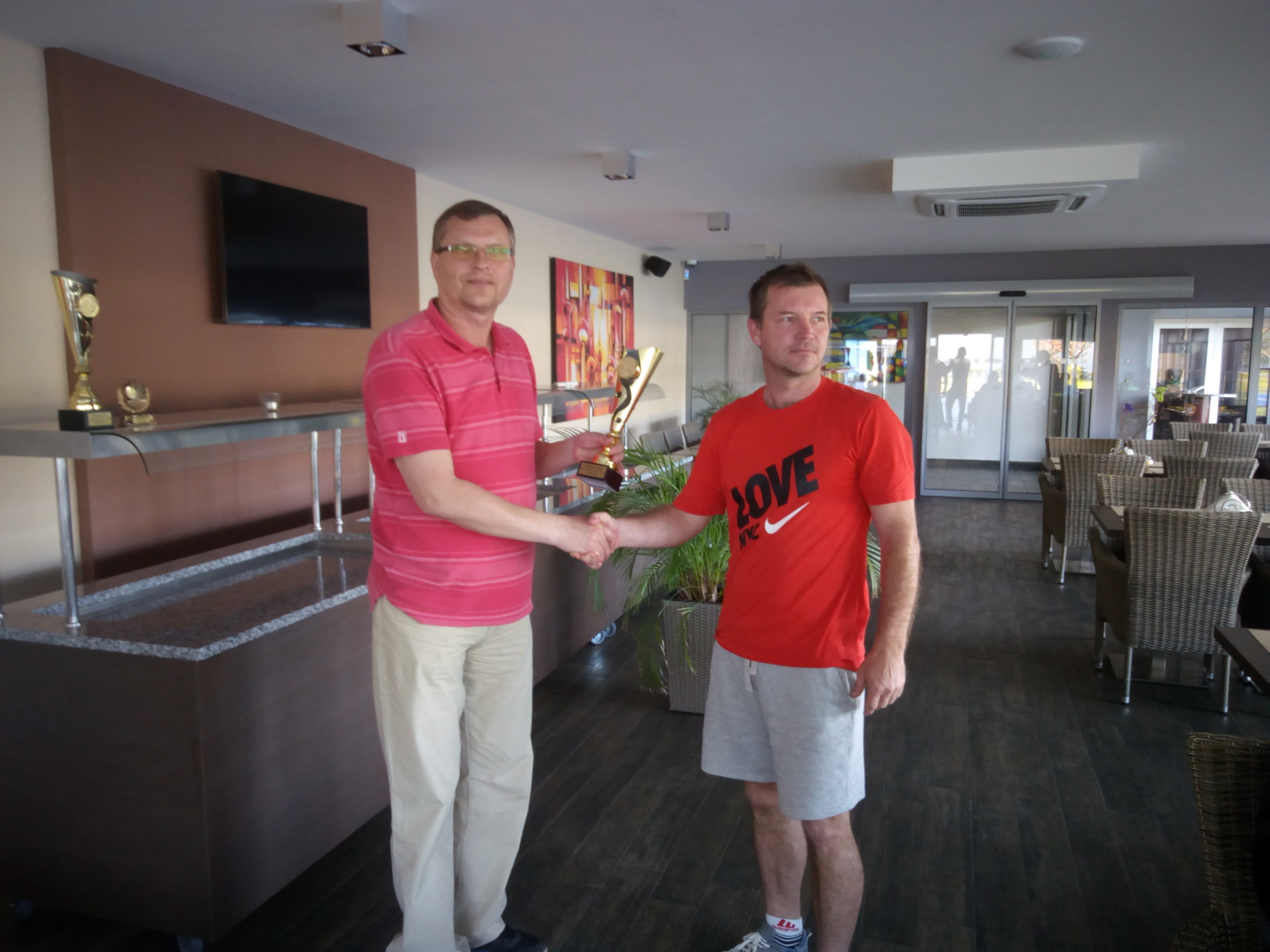
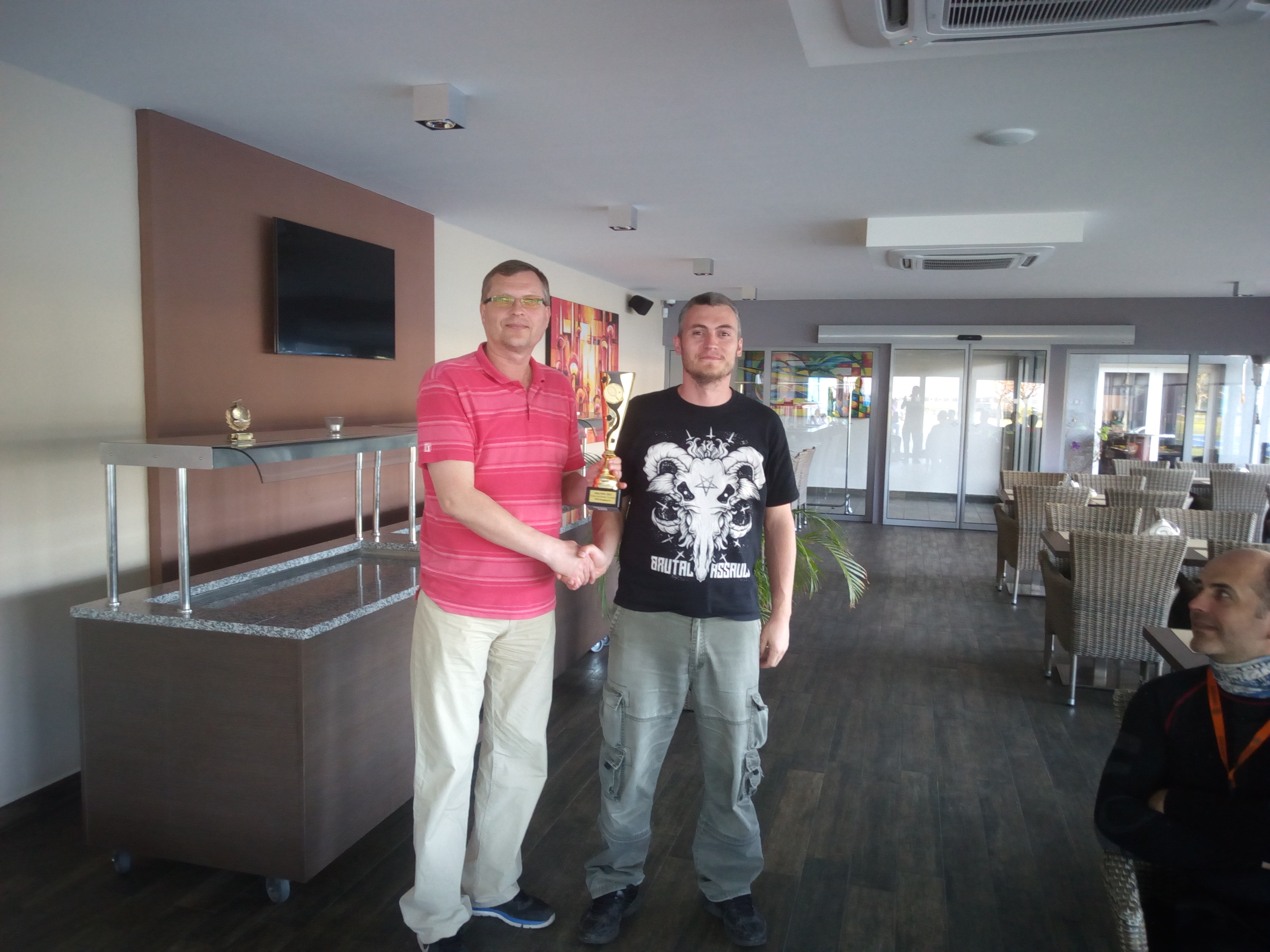
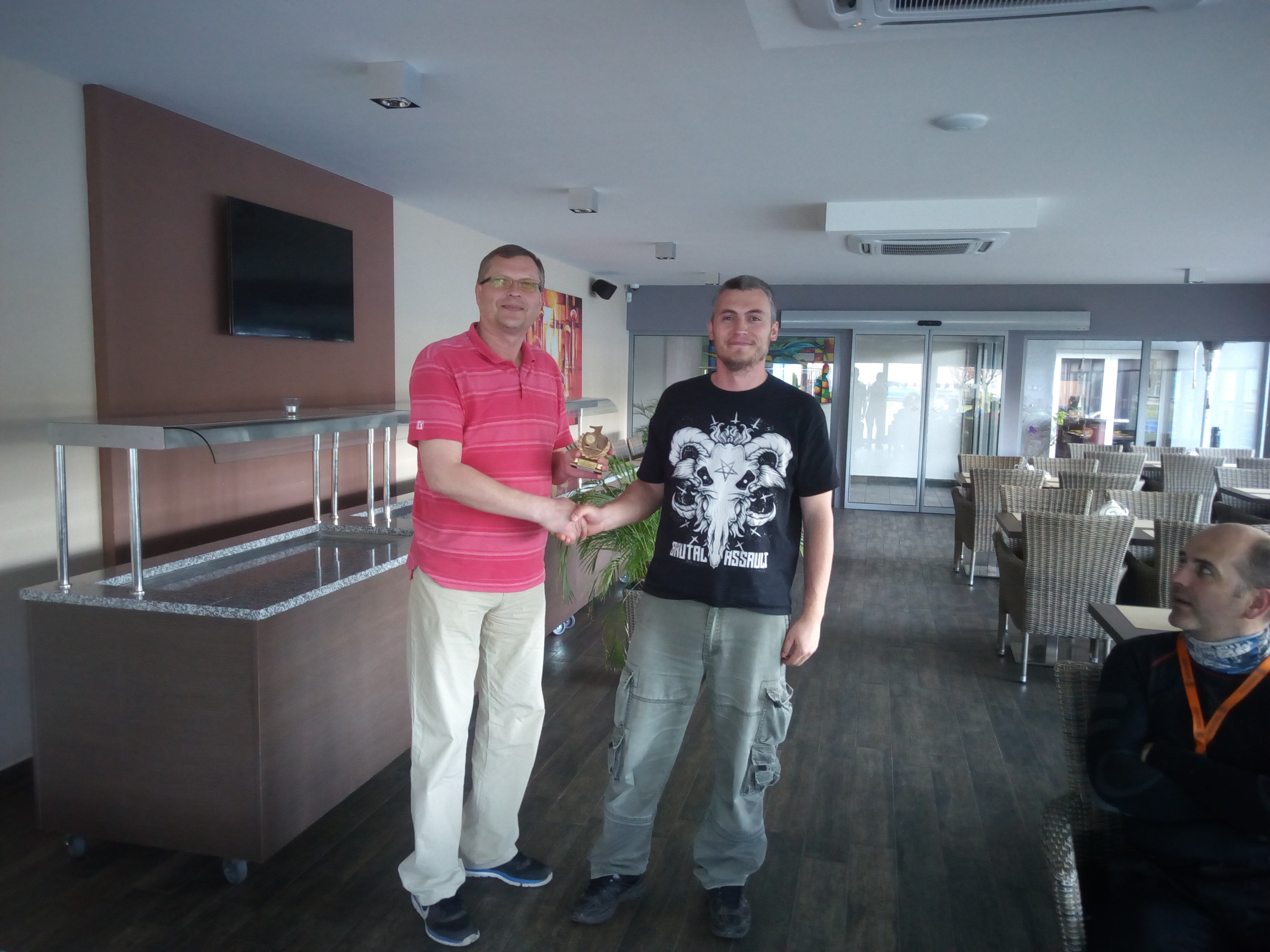
Foto vyhodnotenie roka 2017
Galavečer: najlepšie družstvo 2.triedy, najlepšie družstvo 1.triedy, najlepší jednotlivec
Pozvánka na Slatinský Roland Garros 2018, 12. ročník tenisového turnaja vo dvojhrách
Poznámka:Toto je aktuvit mimo našej ligy, ale každí, kto si chce zahrať je výtaní.
Príď sa zúčastniť turnaja slatinský Roland Garros a tým podporiť tenis vo Zvolenskej Slatine. Začiatok turnaja a žrebovanie bude 04.05.2018 o 20:30 hod v kinoklube odboru mladých matičiarov vo Zvolenskej Slatine.
Prihlásenie je možné len prevodom štartovného na účet. Hráč, ktorého štartovné príde na účet po dátume žrebovania, na turnaj nebude prihlásený a štartovné mu bude vrátené. Číslo účtu: SK97 8360 5207 0042 0302 2005 do správy pre adresáta prosím uviesť meno a mailovú adresu.
Víťaz turnaja získa finančnú prémiu 100€ a putovný pohár
Finalista 60€ a tretí 30€
Štartovné : 10€
Bližšie informácie: Ondrej Smutný tč: 0918 535 664
Schôdza predsedov družstiev
Pozývam Vás na stretnutie predsedov tenisových klubov, účastníkov PHTL, pred sezónou 2018, ktoré sa uskutoční 19.apríla 2018(štvrtok) od 16.30 hod v hoteli Tenis vo Zvolene v reštaurácii(v zimnej záhrade pri kurtoch)
Program:
- Otvorenie
- Správa o hospodárení 2017
- Vyhodnotenie 1. a 2. triedy – odovzdanie pohárov víťazom
- Súťažný poriadok PHTL 2018
- Diskusia
- Schválenie modelu súťaže a Súťažného poriadku 2018
- Ukončenie
V prípade Vašej neprítomnosti zabezpečte zástupcu